Sixteen Pins and a Lawsuit: How OBD-II Ended the Diagnostics Wild West
The road from flashing check-engine lights to a universal 16-pin connector ran through California’s emissions mandates, a reluctant EPA, and a short, expensive scramble that left independent mechanics in the cold.
The Morse Code Era
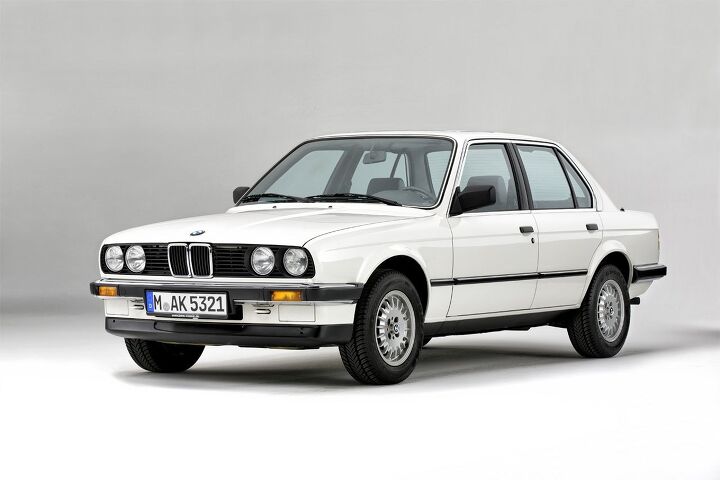
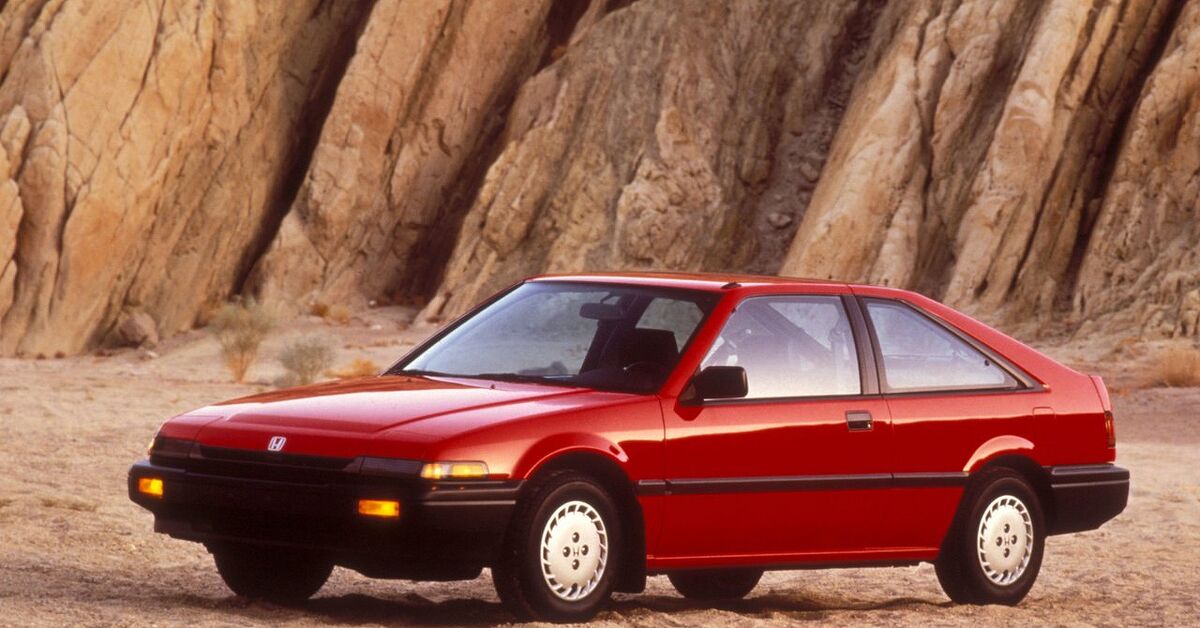
Onboard diagnostics began quietly in 1967, when the Volkswagen Type 3 appeared with electronic fuel injection. By the early Eighties, every automaker had its own proprietary system, and drivers were expected to decode trouble codes by counting flashes of a dashboard light. General Motors pioneered the Computer Command Control in 1981, using additional lamps like the ABS or shift indicator on lower-end models without electronic climate control. Nissan hid red and green LEDs on the ECU case under the passenger seat or carpet; Honda put a single LED on the ECU body. BMW held out entirely until phasing in a large 20-pin connector between 1987 and 1989. The codes were equally arbitrary: Nissan from ’86.5 to ’95 flagged an EGR issue as 32, Honda as 12, GM as 53, 54, 55, 75, 76, or 77, and Audi as 2411. A flash could mean 1 or 10 depending on sequence and manufacturer. In 1988, the California Air Resources Board (CARB) mandated that all new cars sold in the state have some form of OBD capability, but that only reinforced the patchwork.
A Mandate with a Short Fuse
The Society of Automotive Engineers (SAE) proposed a standardized connector and shared codes, and the federal Clean Air Act amendments of 1990 tasked the EPA with writing rules. The EPA dragged its feet, but California did not. CARB, needing to administer emissions testing across the state, issued its own mandate in 1994: adopt a consolidated standard or stop selling cars in California. The rule applied to the 1996 model year, giving manufacturers barely two years to comply. The federal government quickly mirrored California’s requirements for the entire country. OBD-II covered all passenger vehicles and gasoline-powered light trucks with a gross vehicle weight rating under 8,500 pounds, while California extended that to 14,000 pounds and added diesel-powered vehicles up to the same limit in 1997. The preparation period was brutally short for automakers, who had to re-engineer engine control units, add sensors, and rewrite software on models already nearing the end of their production cycles. The added hardware and development pushed the price of a new vehicle up by about $61 in 1996.
The 16 Pins That Unified Everything
At the heart of OBD-II is the Data Link Connector, defined by the SAE J1962 standard. It has exactly 16 pins and comes in two layouts: Type A, a 12-volt connector for passenger cars and light trucks, and Type B, a 24-volt variant for commercial vehicles. The standard also demanded a singular list of trouble codes across all manufacturers, so a code meant the same thing whether you drove a Ford, a Toyota, or a Mercedes. This replaced the hodgepodge of flashing lights, LED arrays, and proprietary machines that had defined the OBD-I era. For consumers, the new connector was a huge step forward — any generic scanner could now plug into any car sold in the United States. But the standardization came with a catch. The diagnostic software and the full code set were still controlled by the automakers, and the 16-pin connector was just a physical interface. Dealers retained exclusive access to the deeper diagnostic functions, which meant independent repair shops were locked out of the very vehicles that now carried the universal plug.
The Independents Strike Back
When OBD-II became mandatory for 1996 models, automakers made sure their franchised dealers could handle the new systems. Independent mechanics found themselves pushed aside, left to service older OBD-I vehicles. They cried foul and sued the EPA almost immediately, marking the opening salvo in a long-running right-to-repair battle.